Pioneering a cleaner, safer, more reliable, and more affordable uranium conversion process through advanced chemical engineering.
Explore MethodologyOur novel synthesis route delivers a significant reduction in plant electrical demand, redefining the economics of nuclear fuel conversion.
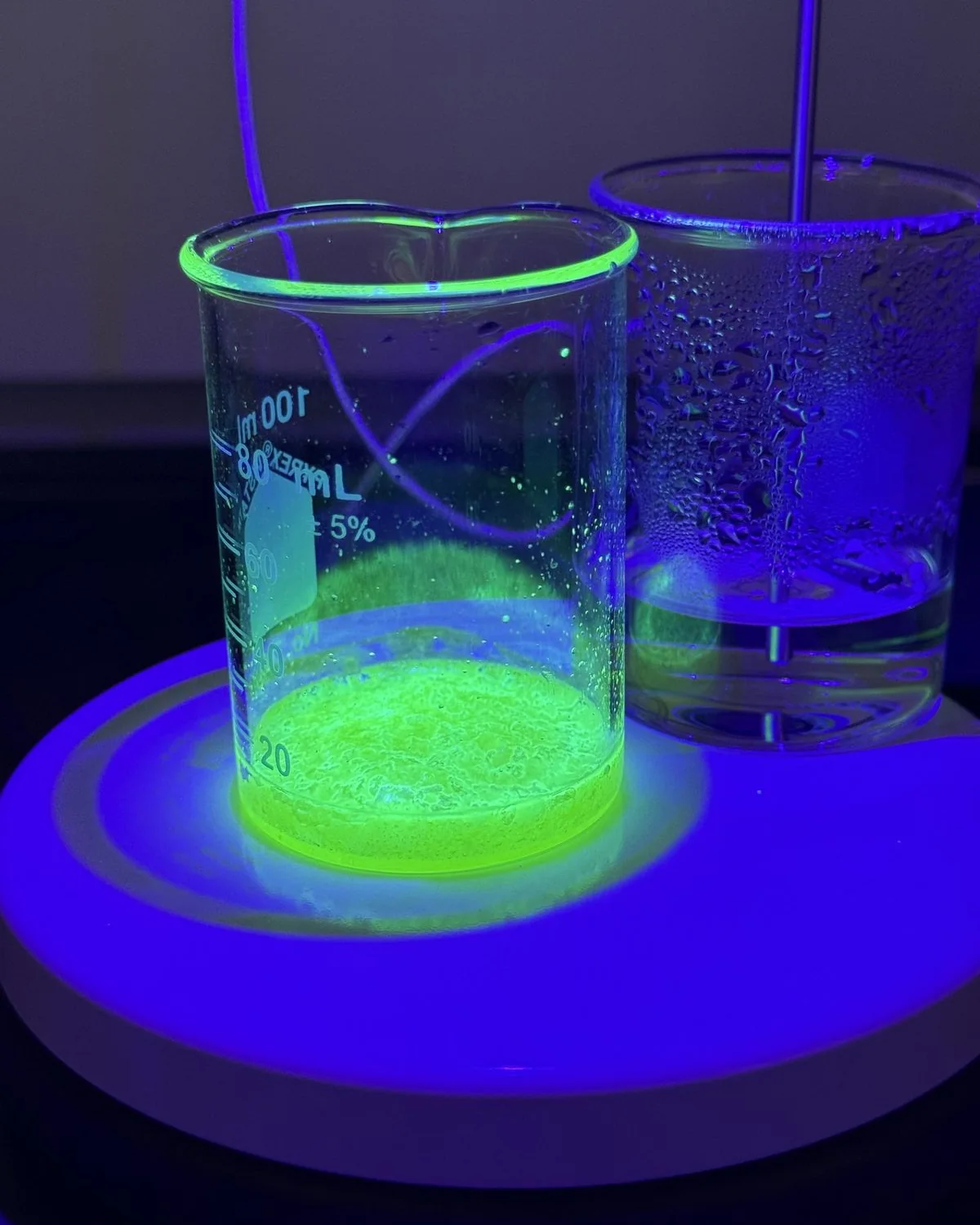
Our novel synthesis route produces specification-grade UF₆ with zero elemental fluorine. Behind it is a team that has led first-of-a-kind work at Idaho National Laboratory and the National Reactor Innovation Center — now engineering a new Western greenfield uranium conversion facility.
Reduced vs Legacy
Reduced vs Legacy
Zero-Fluorine (F2)
Reduced plant load
From Concentrate to Product
A modern uranium conversion methodology emphasizing rigorous engineering discipline and absolute purity.
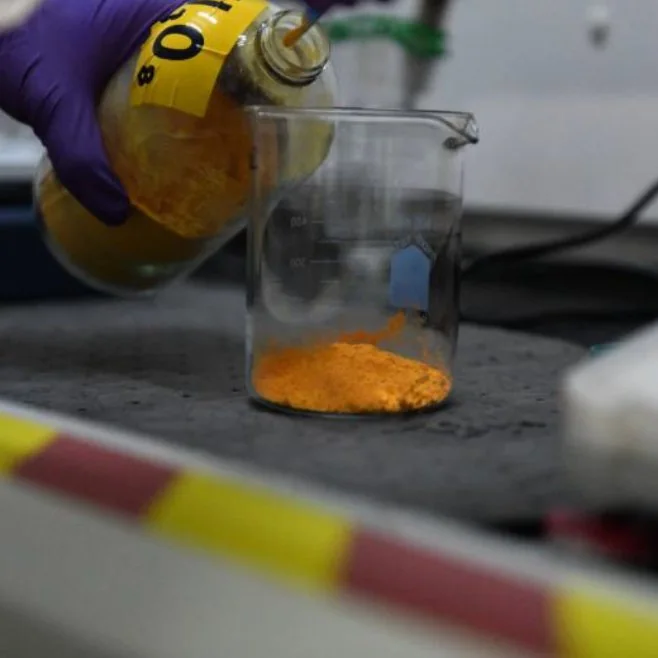
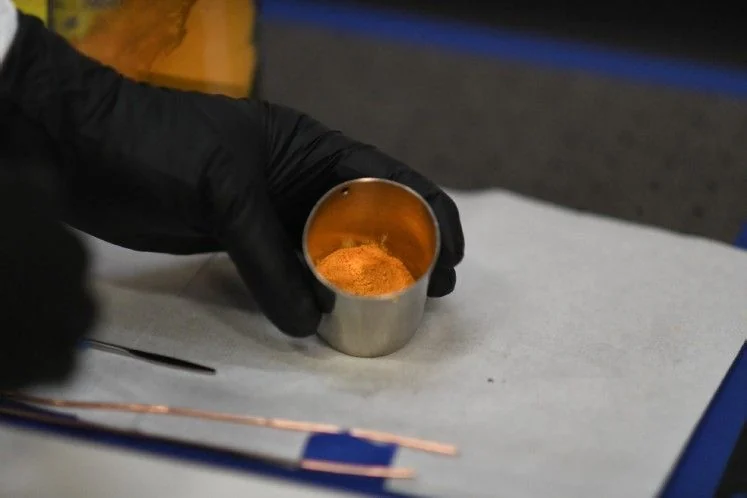
Raw yellowcake (U3O8) undergoes chemical analysis upon receipt, verified against ASTM C967 impurity limits. Feed material is characterized for moisture, particle size, and trace contaminants before entering the conversion process.
Our novel synthesis route eliminates elemental fluorine entirely — removing the most hazardous and capital-intensive chemical from the decades-old legacy process. Engineering analysis projects:
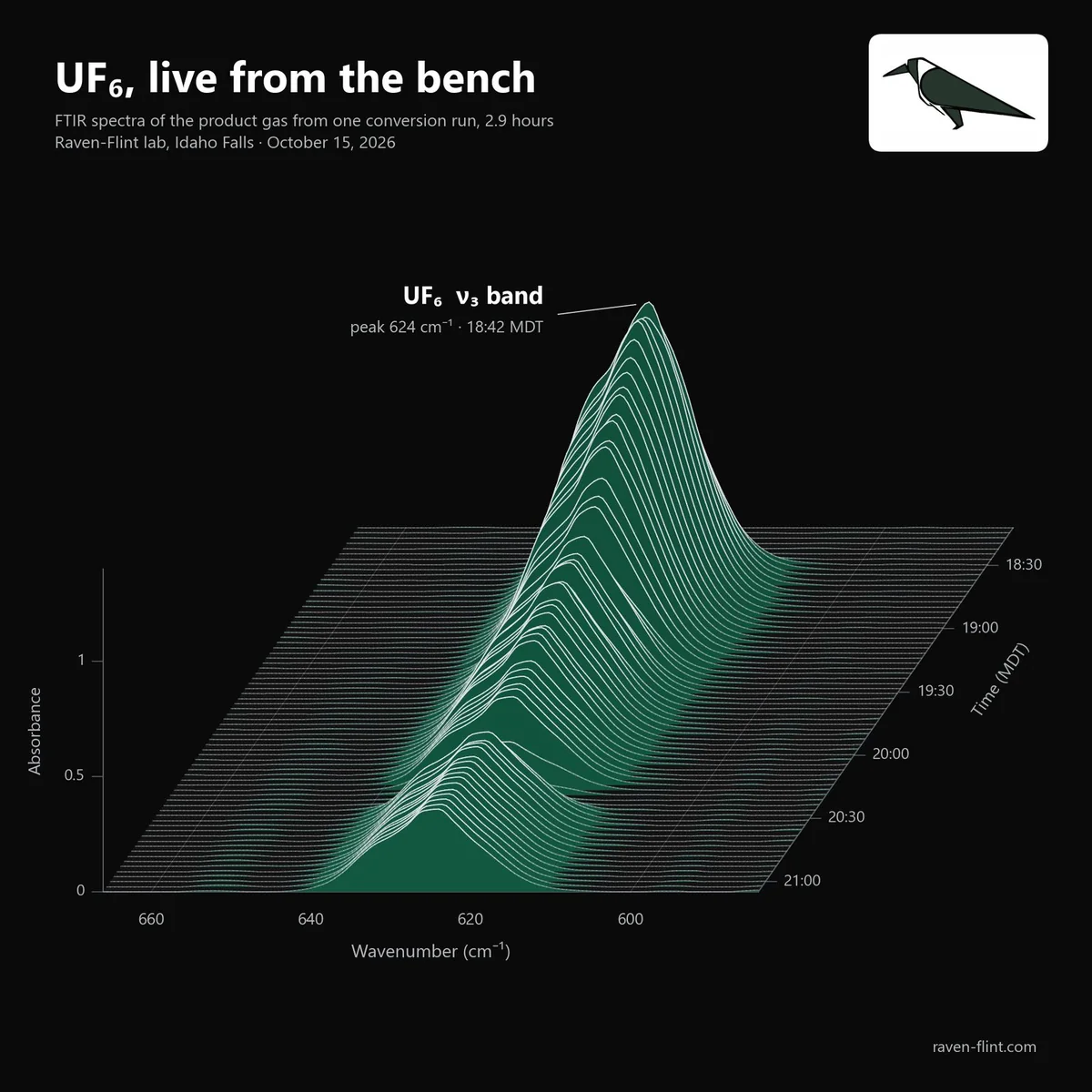
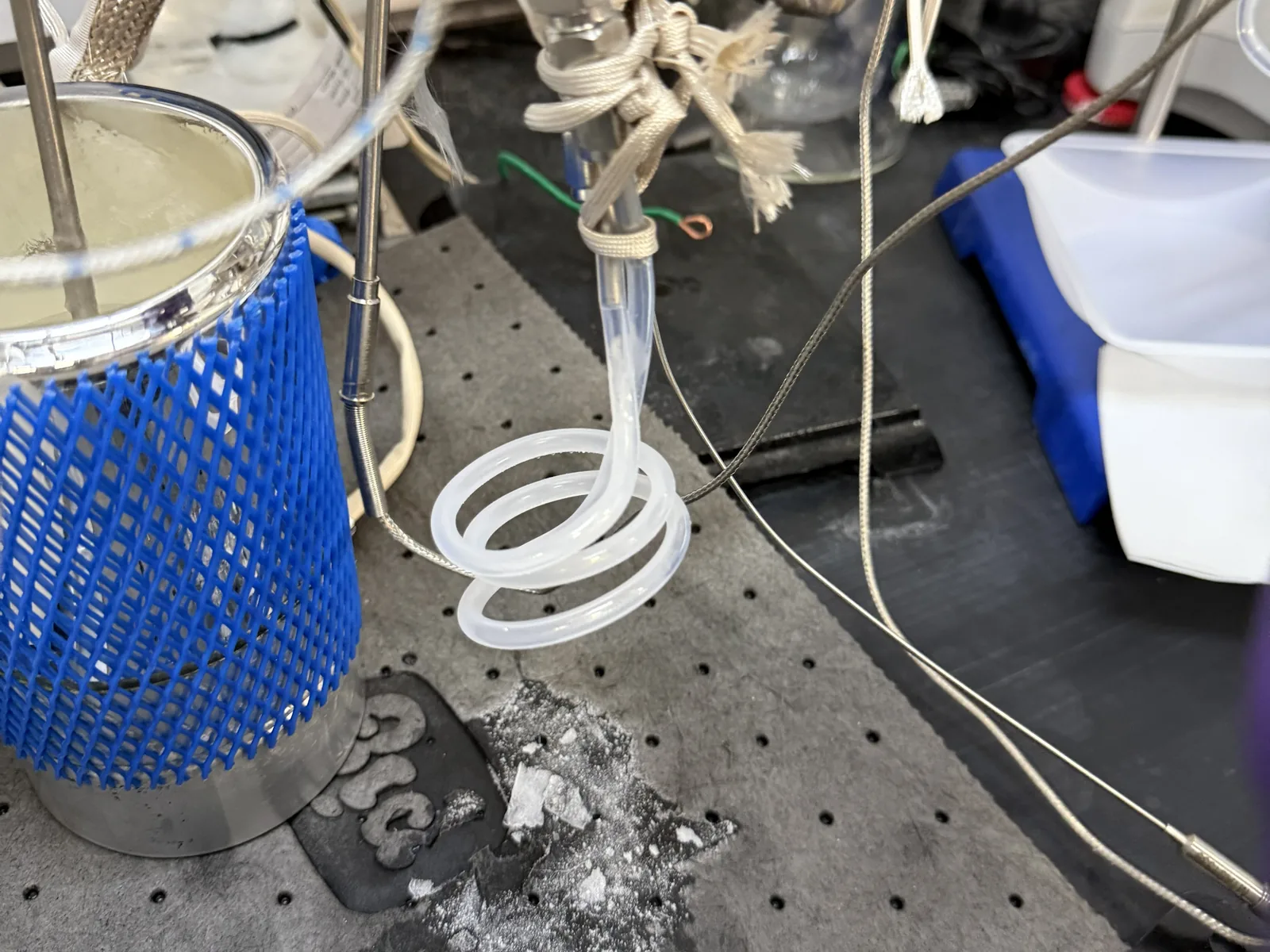
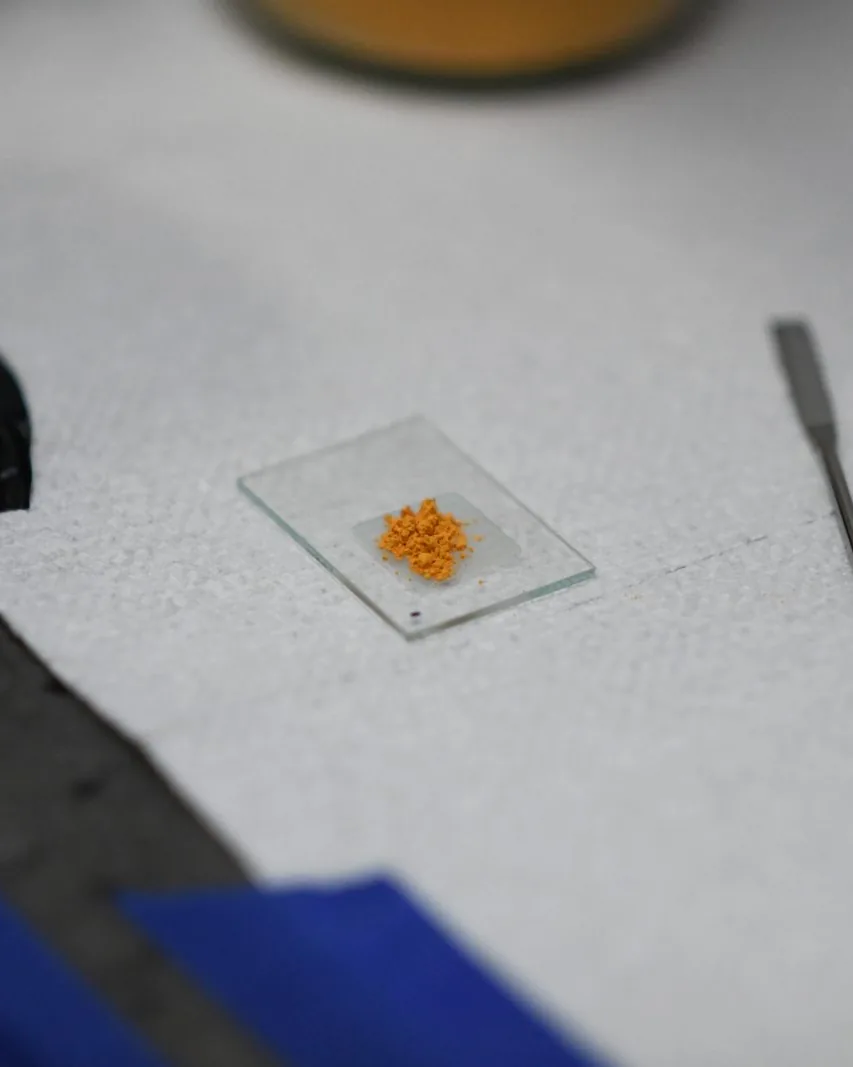
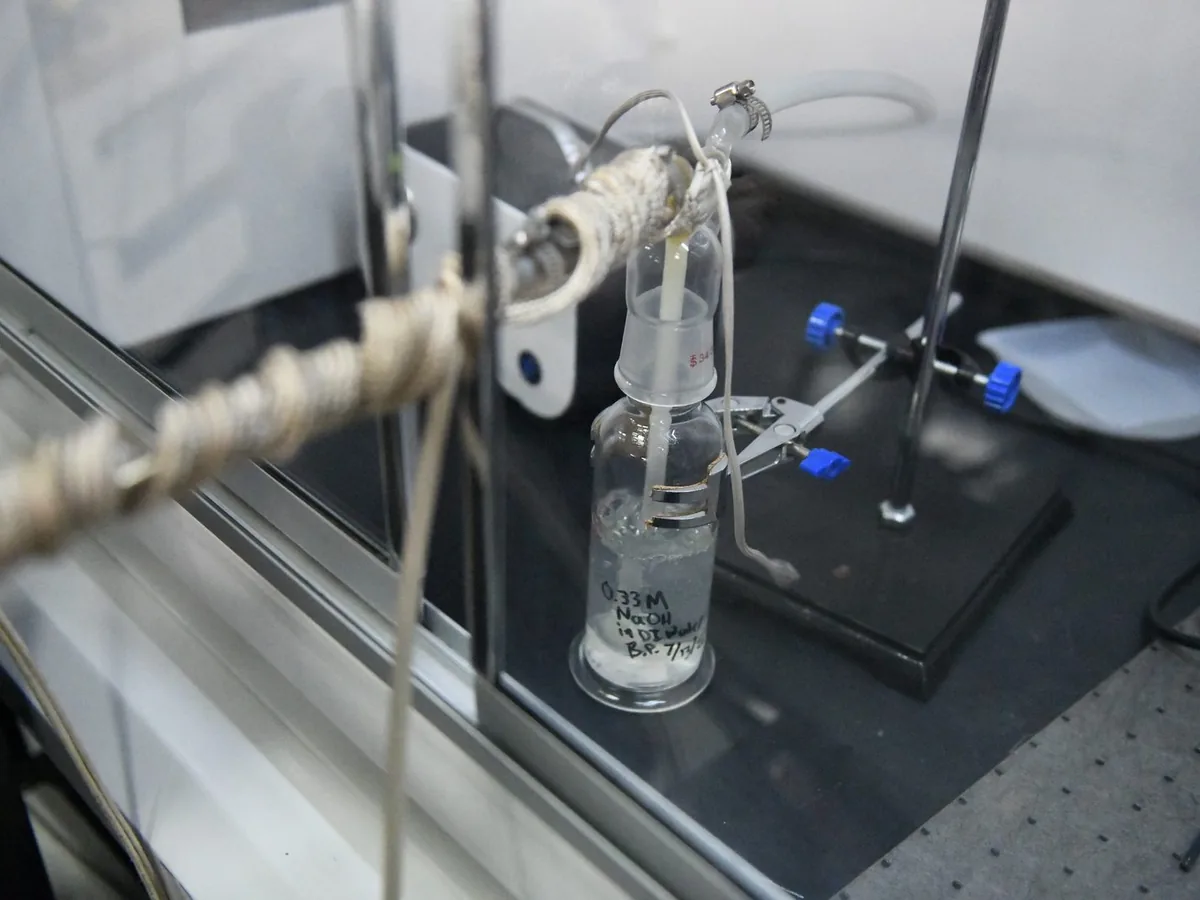
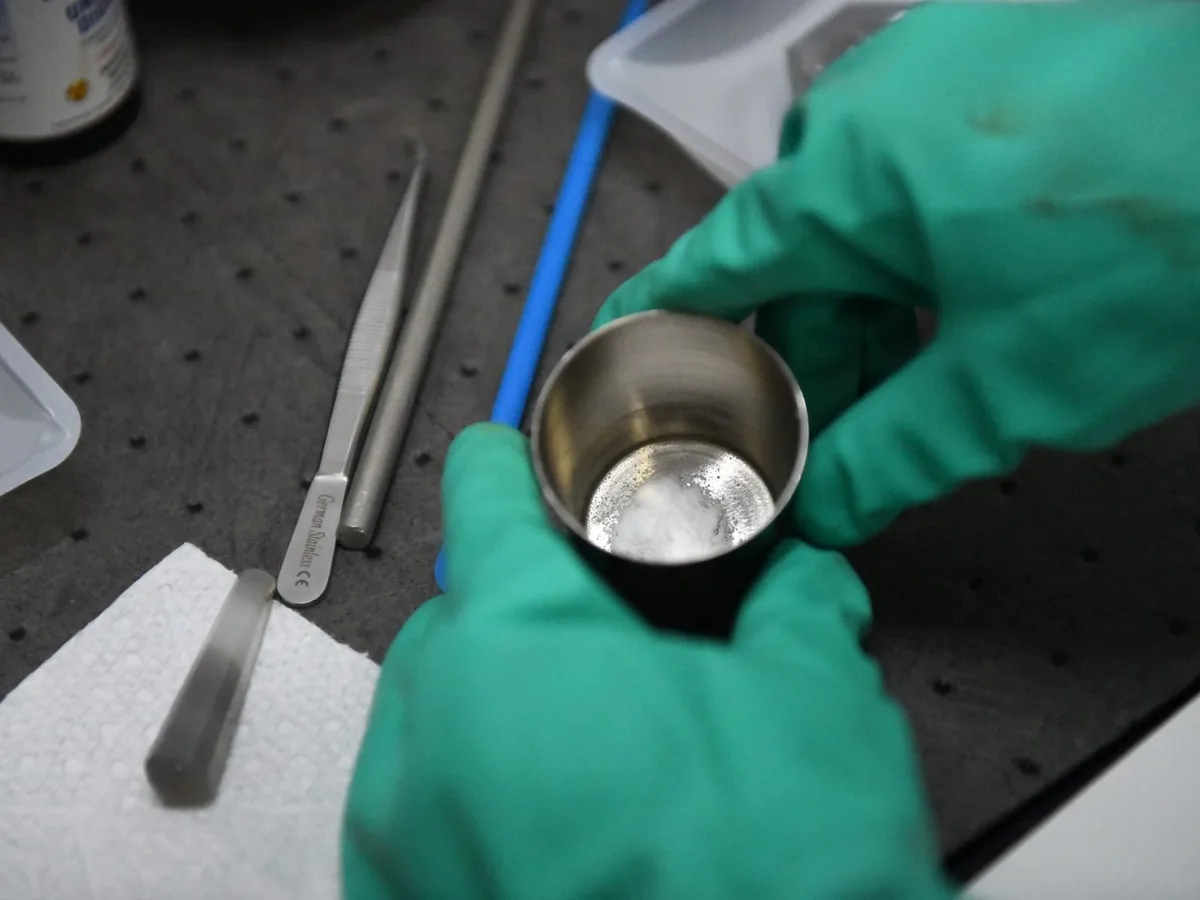
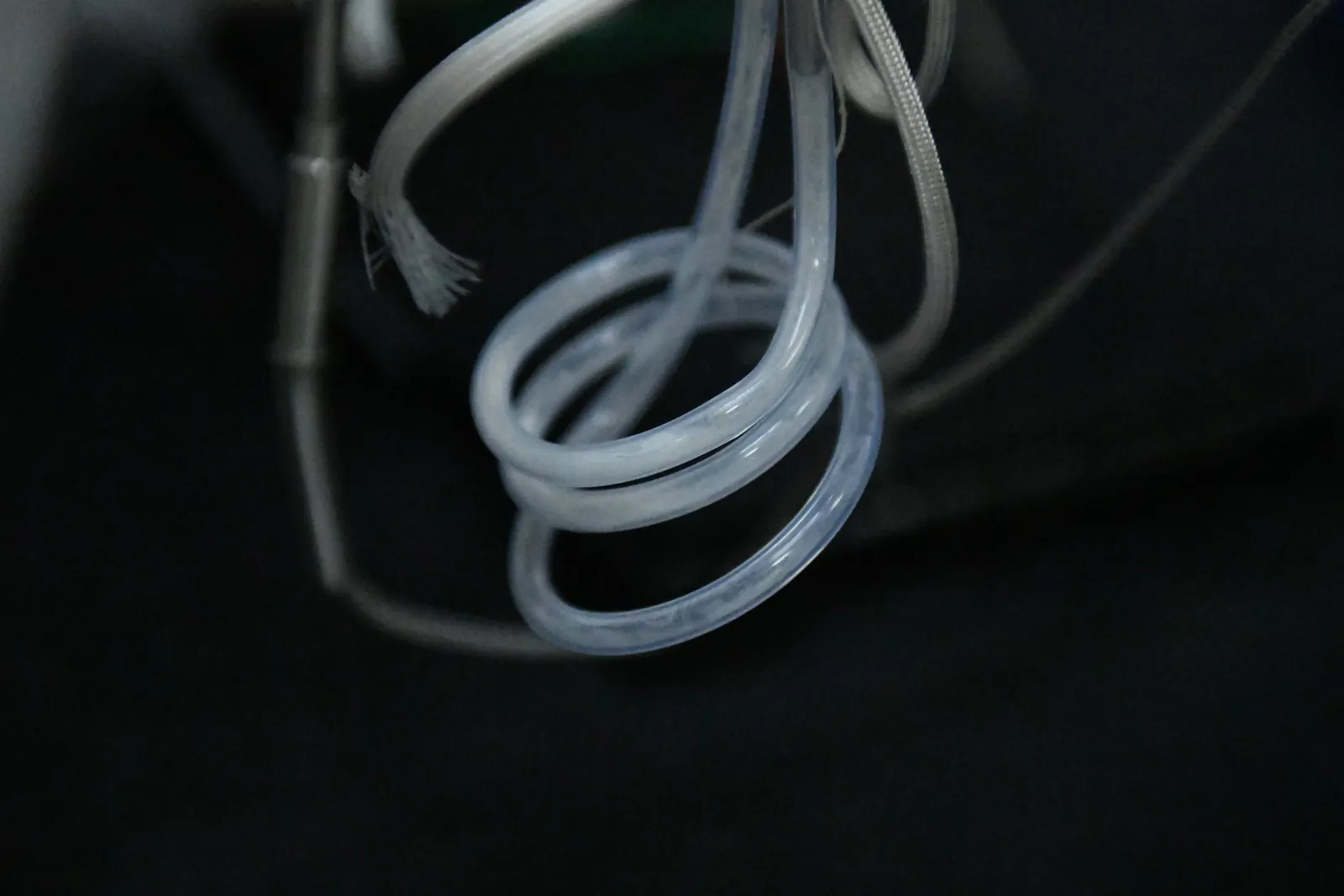
Product UF₆ is captured as a solid: in the coil at our bench today, and at Torch in industry-standard 48Y cylinders, packaged to ANSI N14.1 and shipped under 49 CFR 173.420 to enrichment facilities.
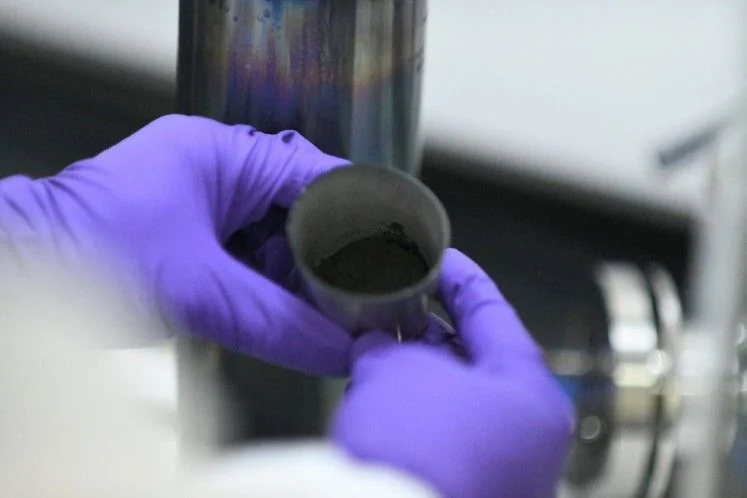
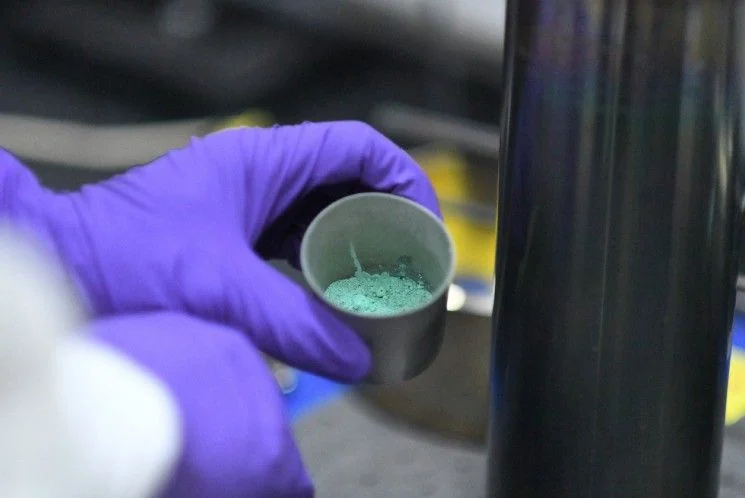
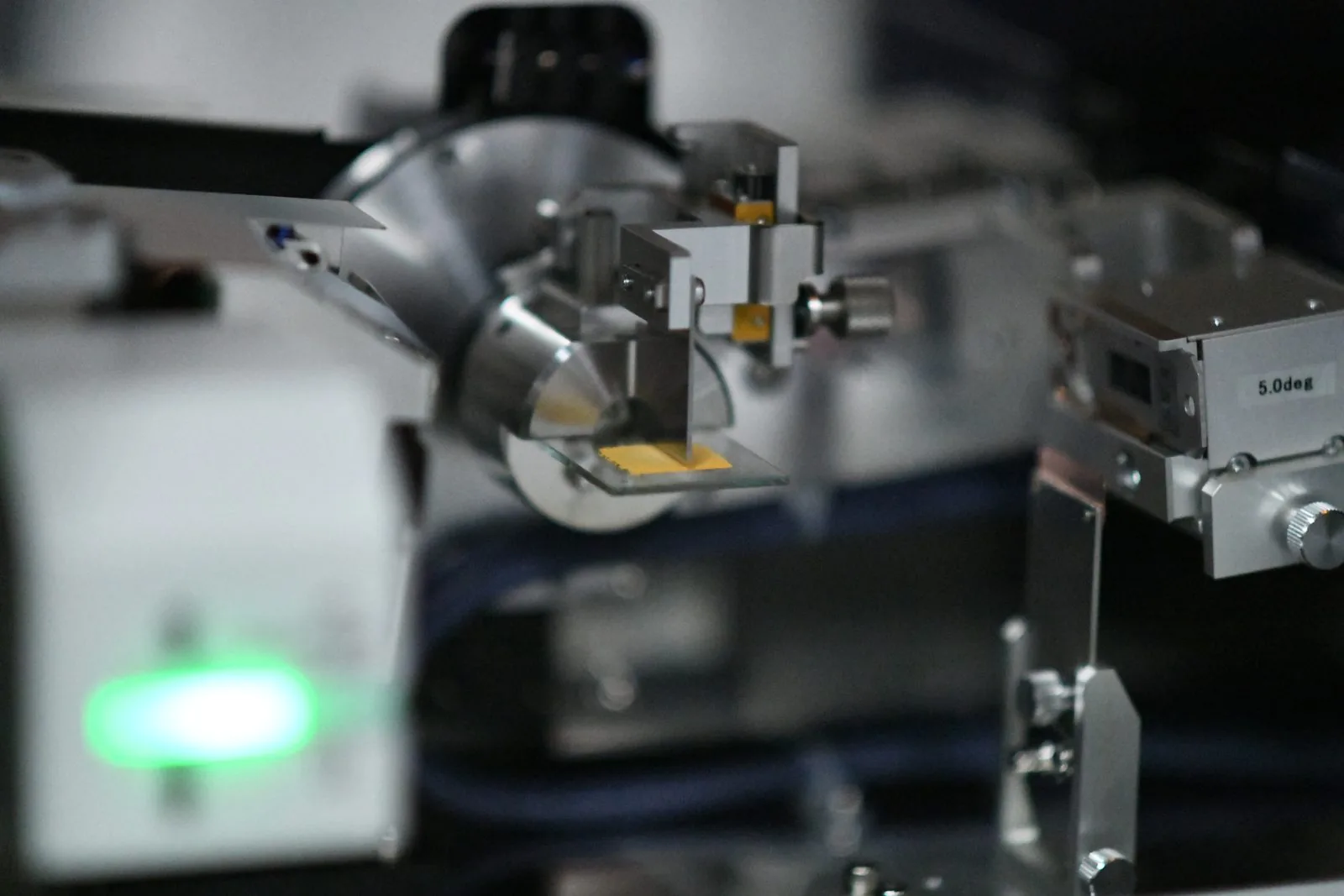
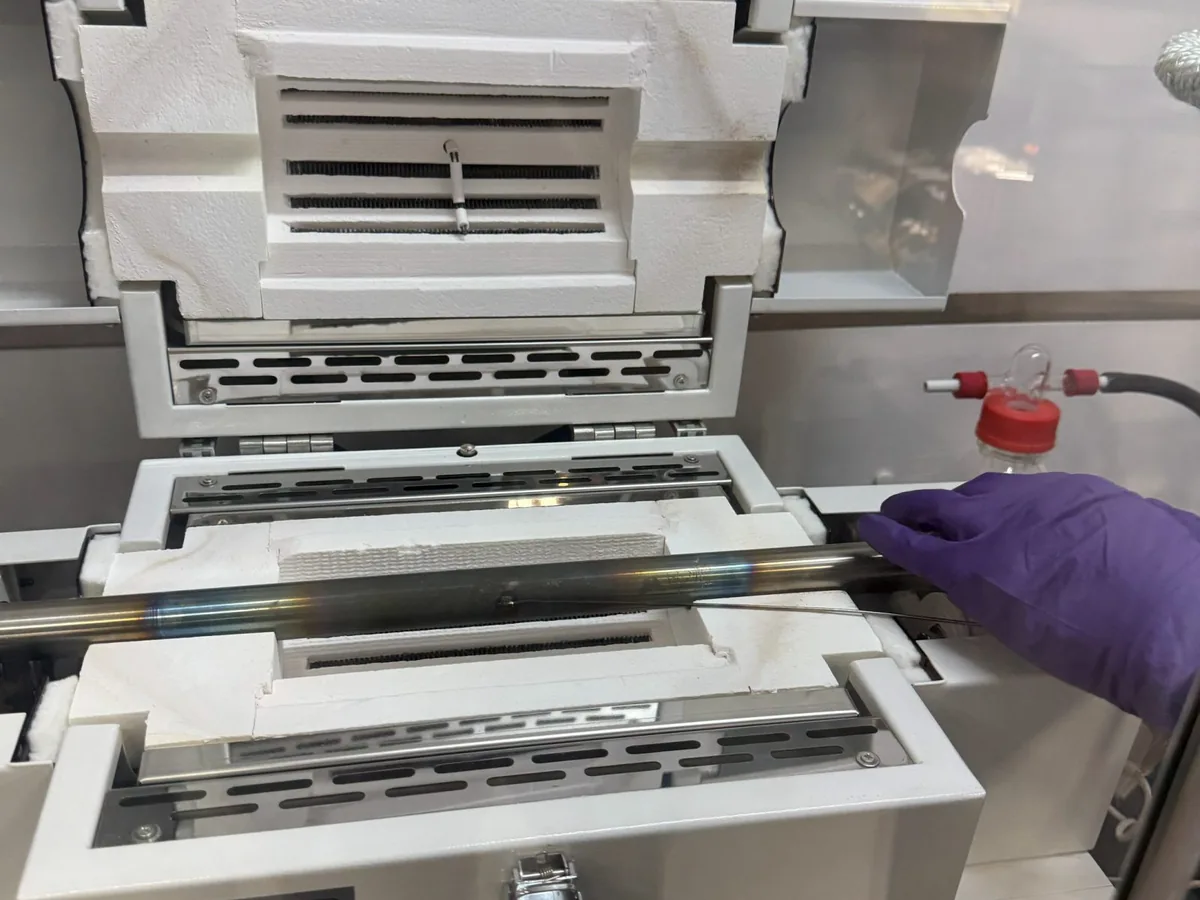
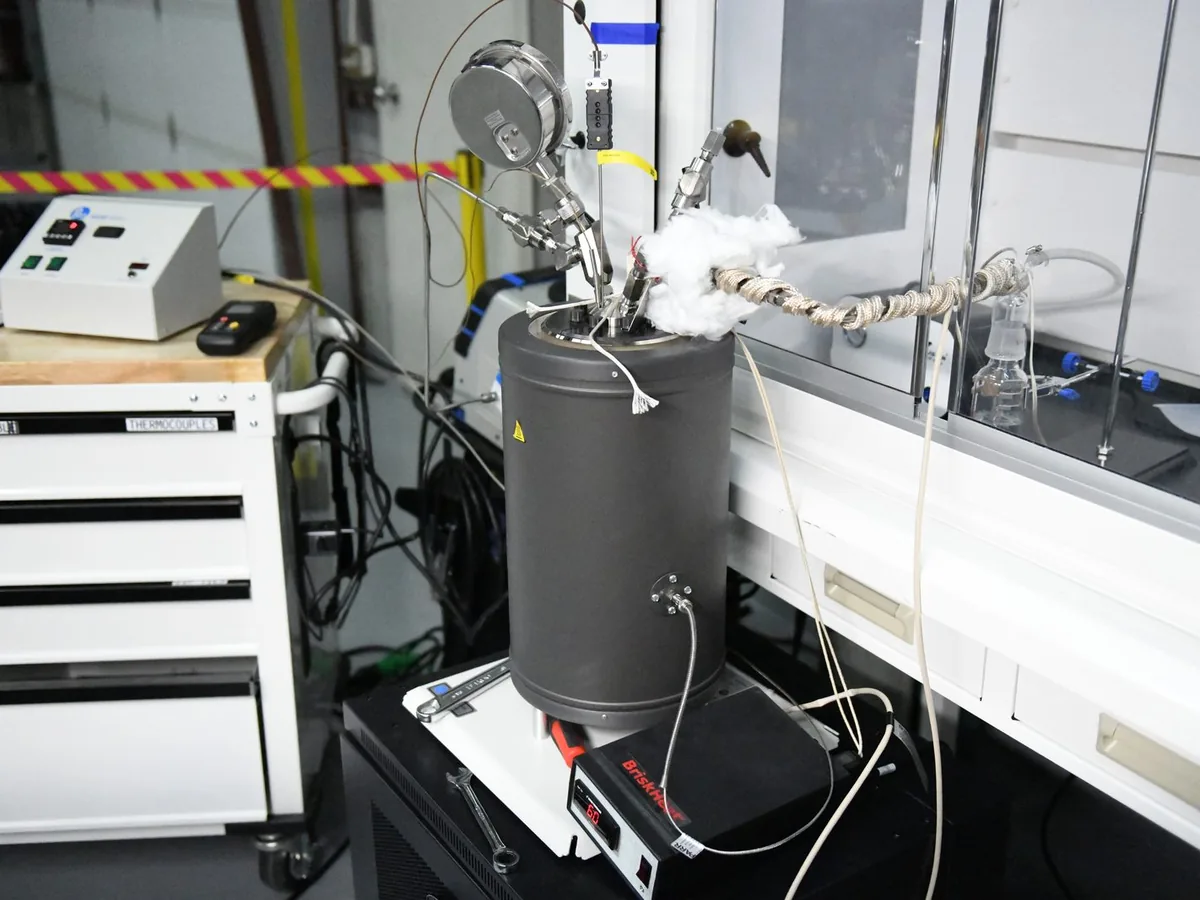
Three stops on the way to UF6, in hand, at our Idaho Falls laboratory.
Torch will be located at Idaho National Laboratory. Raven-Flint was selected in August 2026 for the Department of Energy’s Nuclear Energy Launch Pad, administered by the National Reactor Innovation Center, which sites privately financed nuclear projects on laboratory land — near the Central Facilities Area.
The nation’s lead nuclear energy laboratory: established frameworks for nuclear materials handling, laboratory utilities and staff, and an experienced regional workforce — alongside the technical and deployment support the Launch Pad program provides.
Raven-Flint HQ — in Idaho Falls — is a separate facility housing Match, our bench-scale tier, and core engineering operations.
Raven-Flint has developed a novel synthesis route to produce specification-grade UF₆ that breaks from the 1940s-era legacy process — eliminating elemental fluorine (F₂) from the entire conversion chain. The Torch pilot plant translates that chemistry into a fully engineered facility: ASME-code vessels and piping, a complete preliminary HAZOP, and full nuclear material accountability.
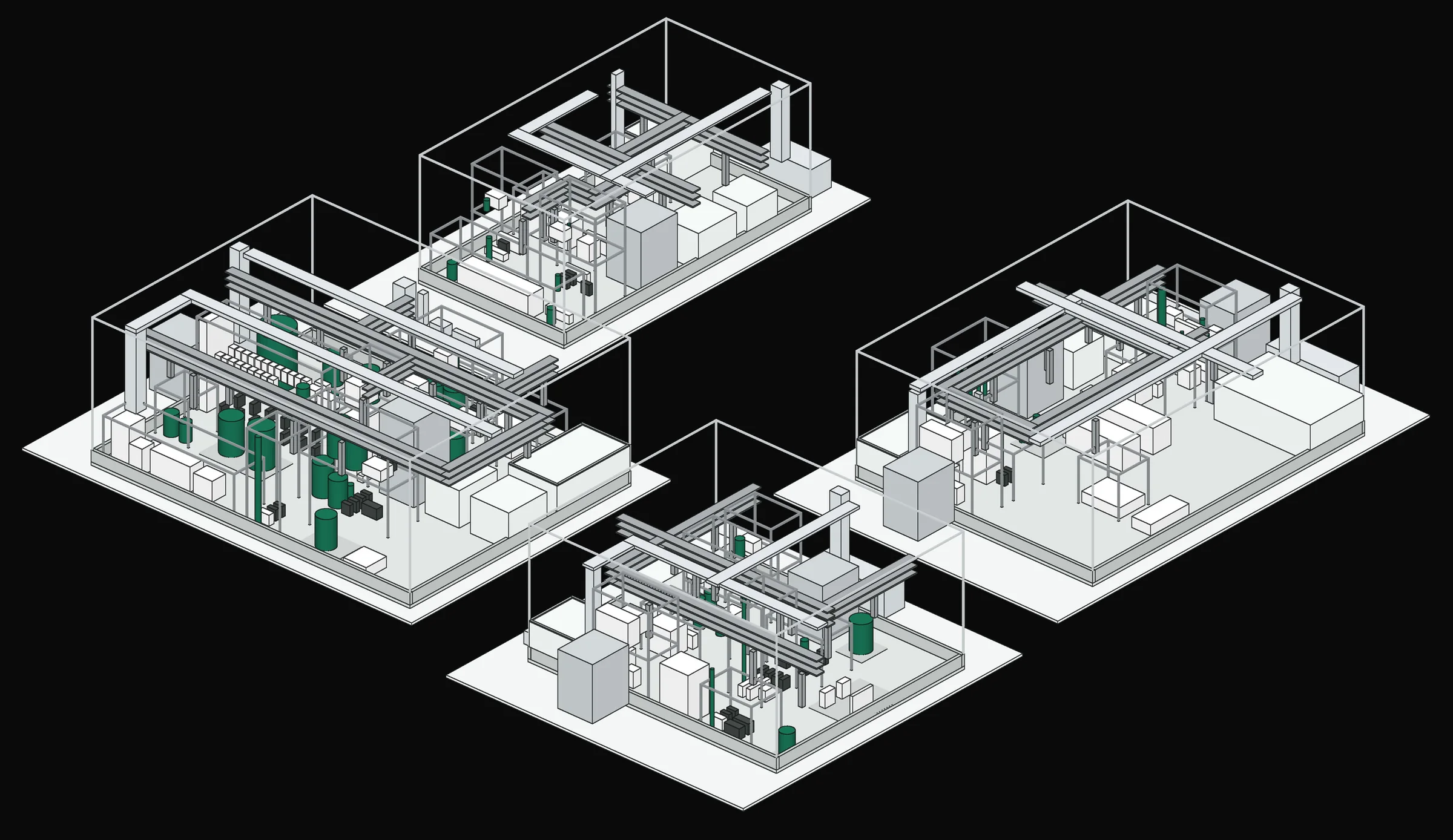
MAIN PROCESS LINE
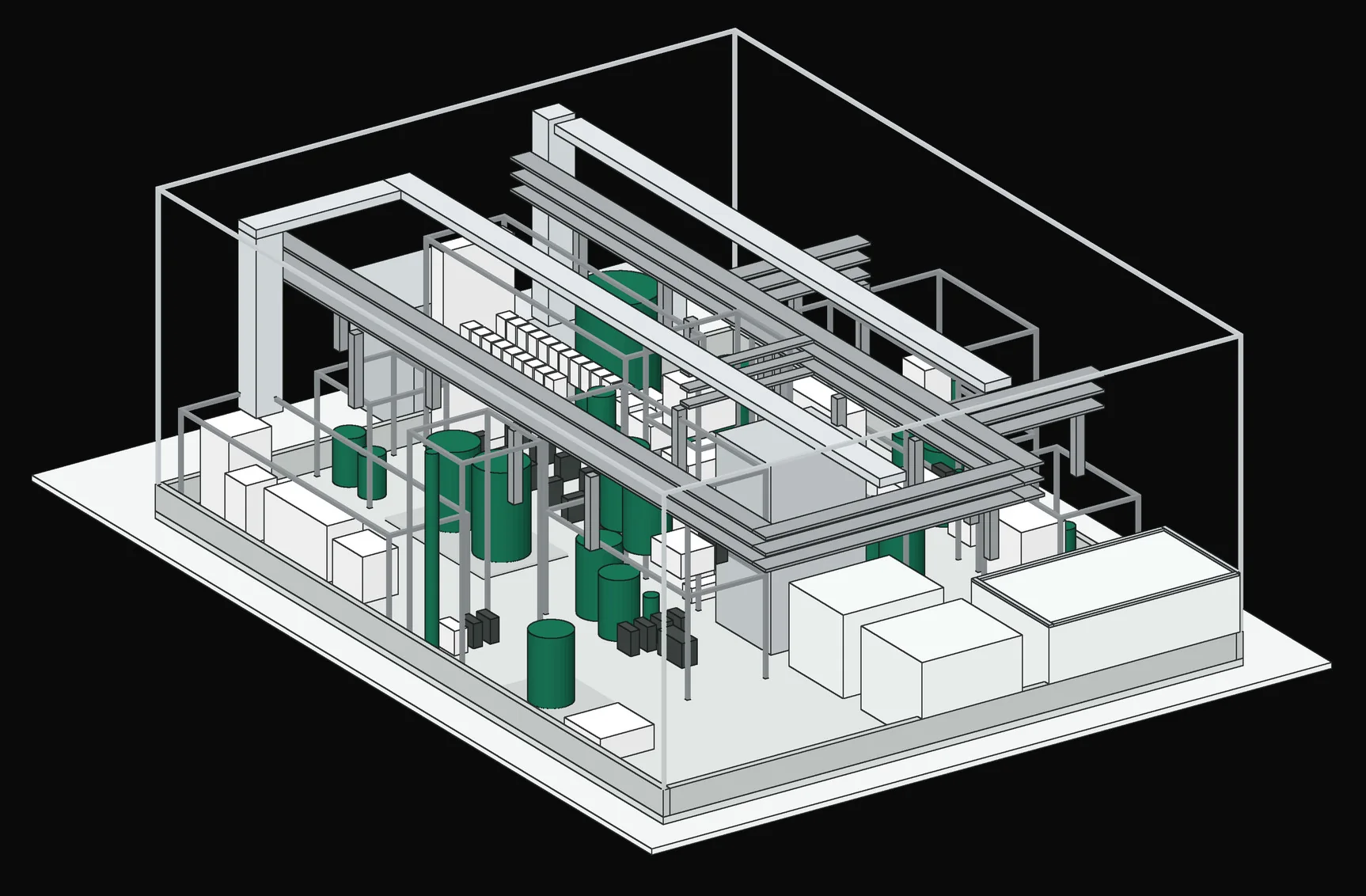
FEED RECEIPT & INSPECTION
CLEAN, LOW COST, SAFE
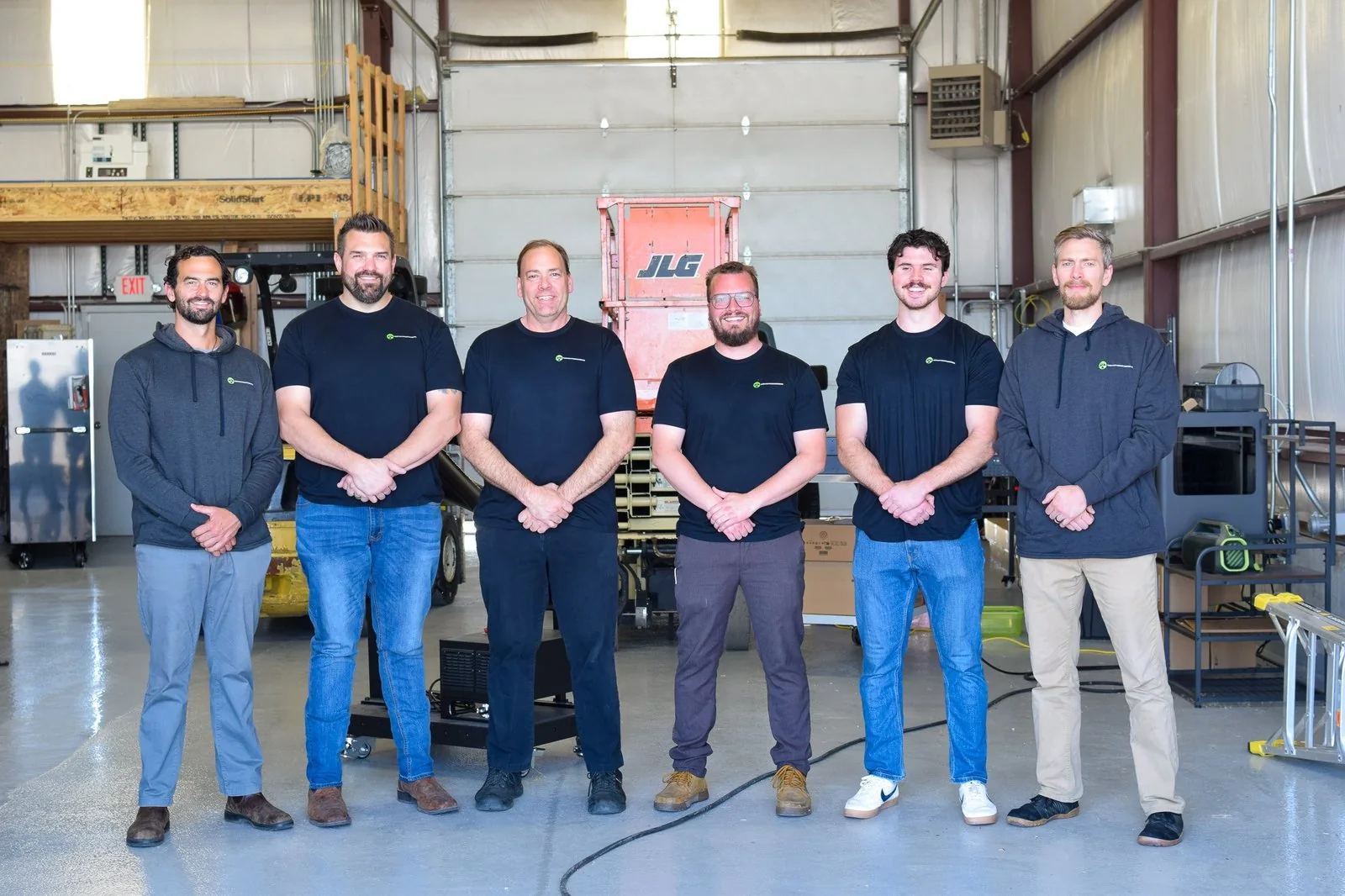
Operators and scientists who have led some of the nation's hardest nuclear programs — from Idaho National Laboratory and the National Reactor Innovation Center to the Molten Chloride Reactor Experiment.
Match · Idaho Falls
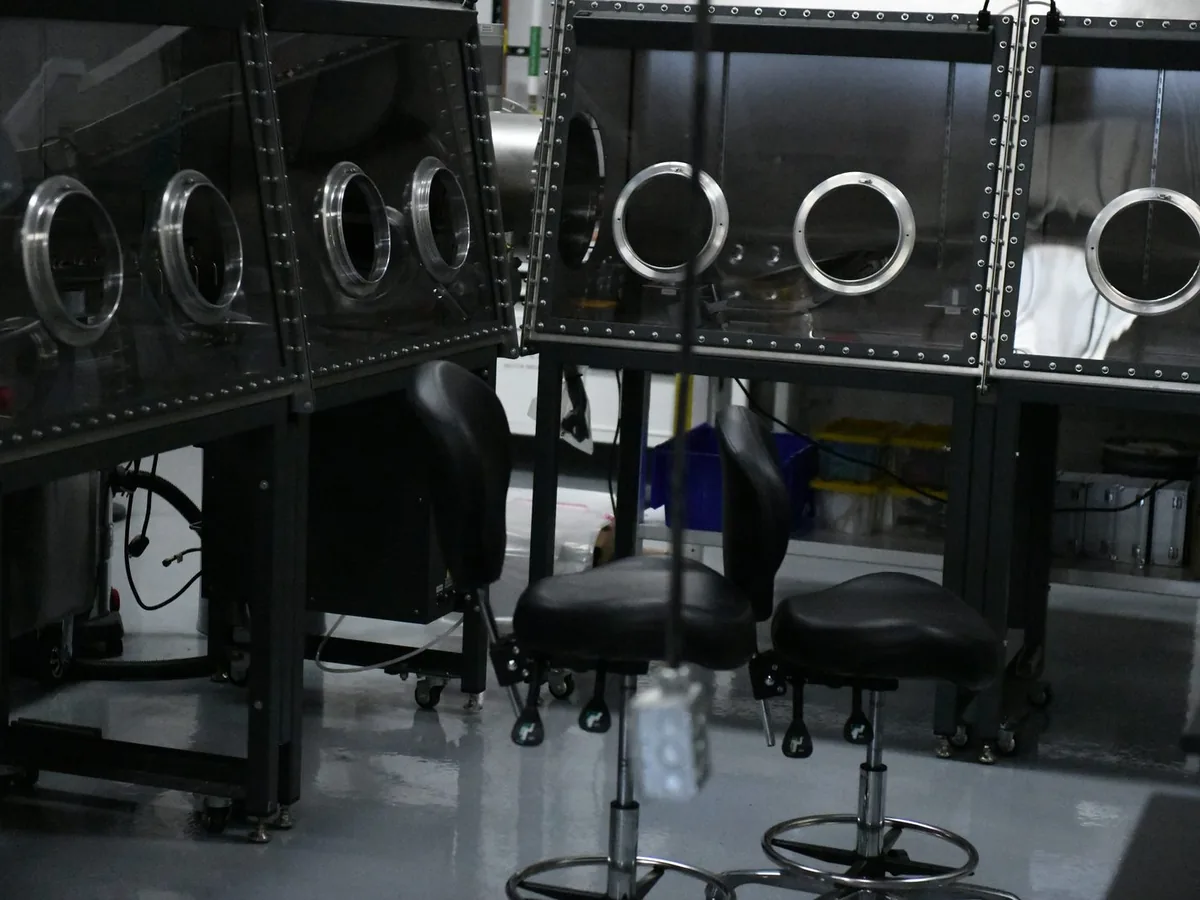
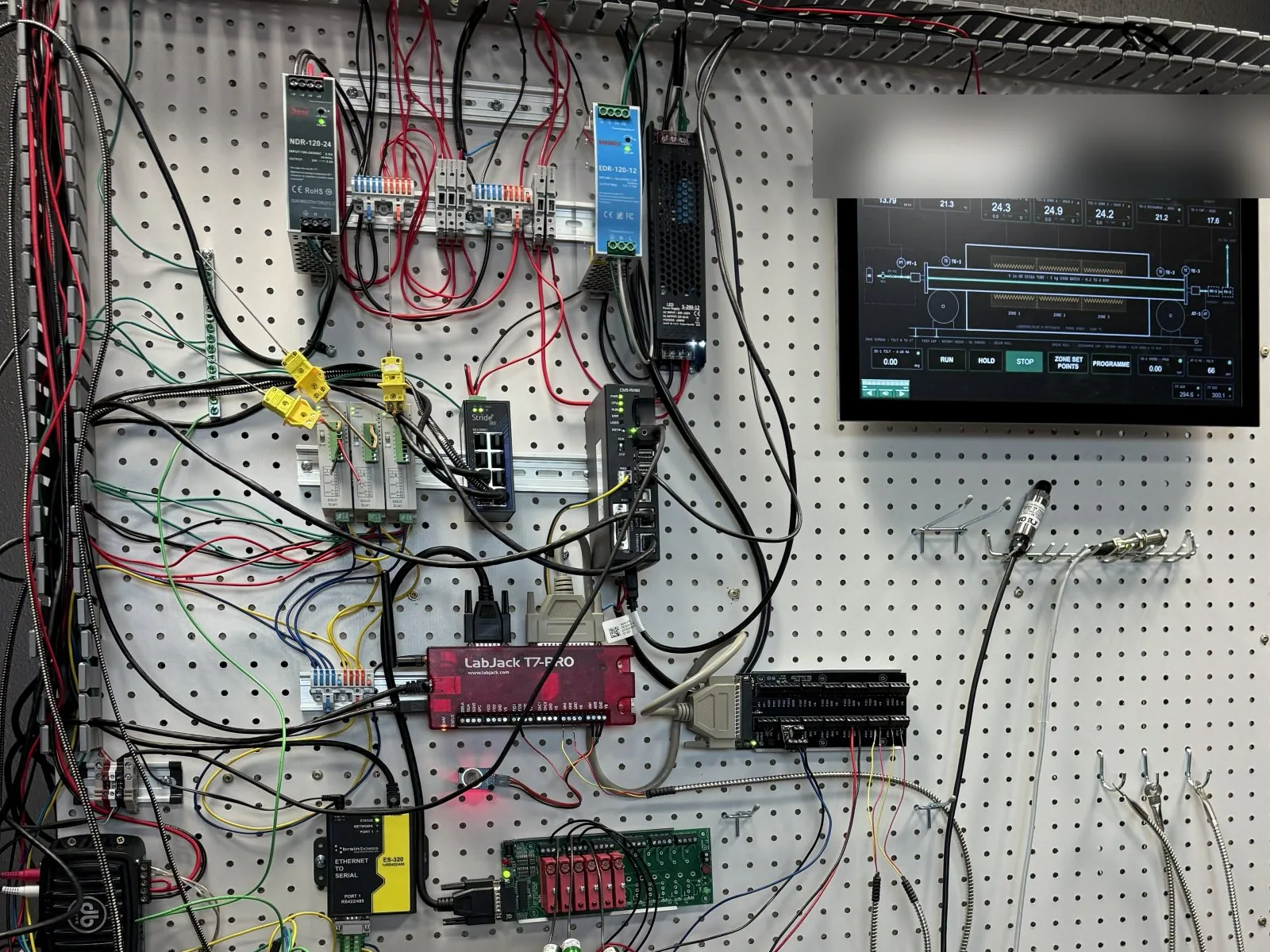
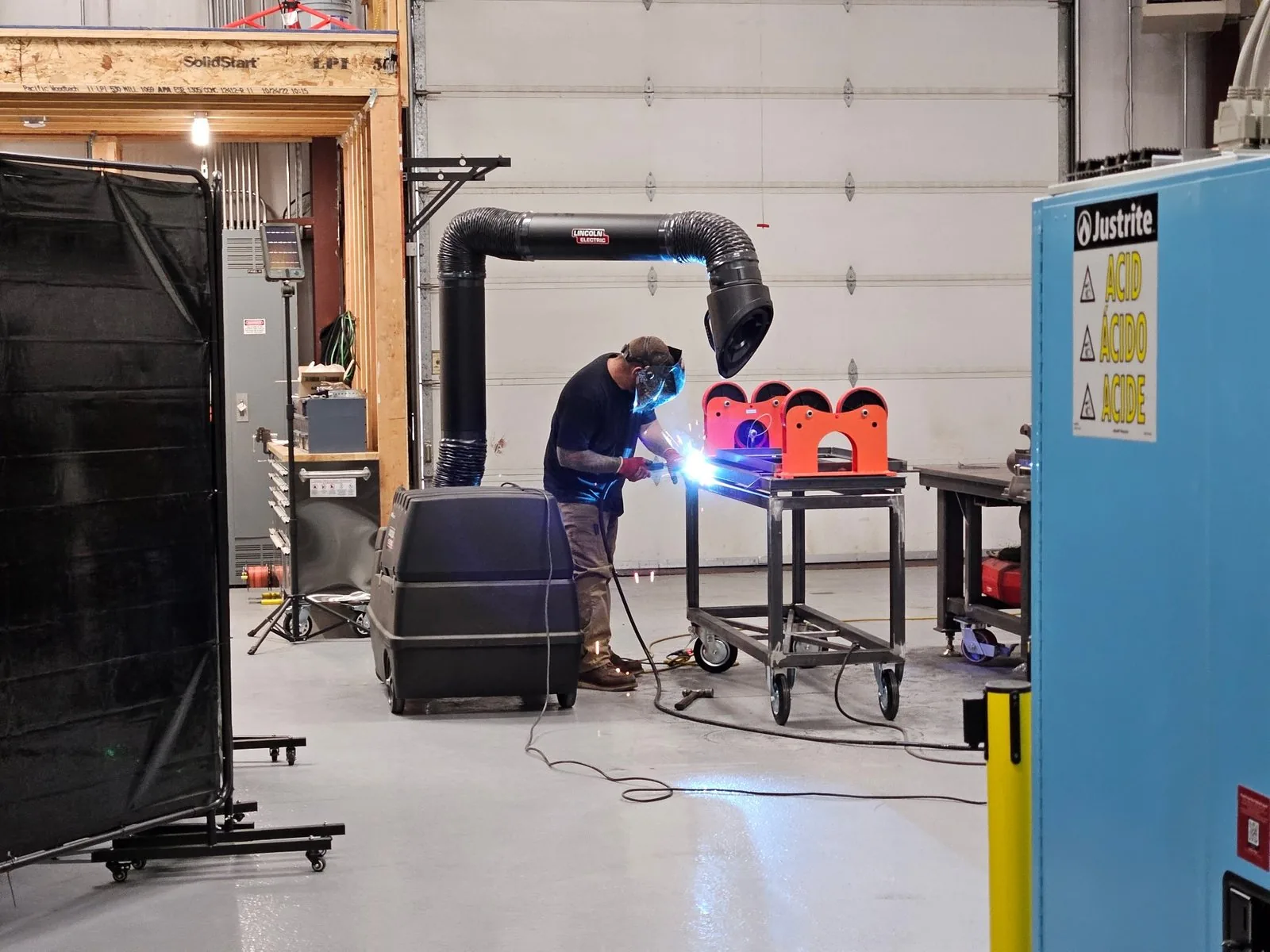
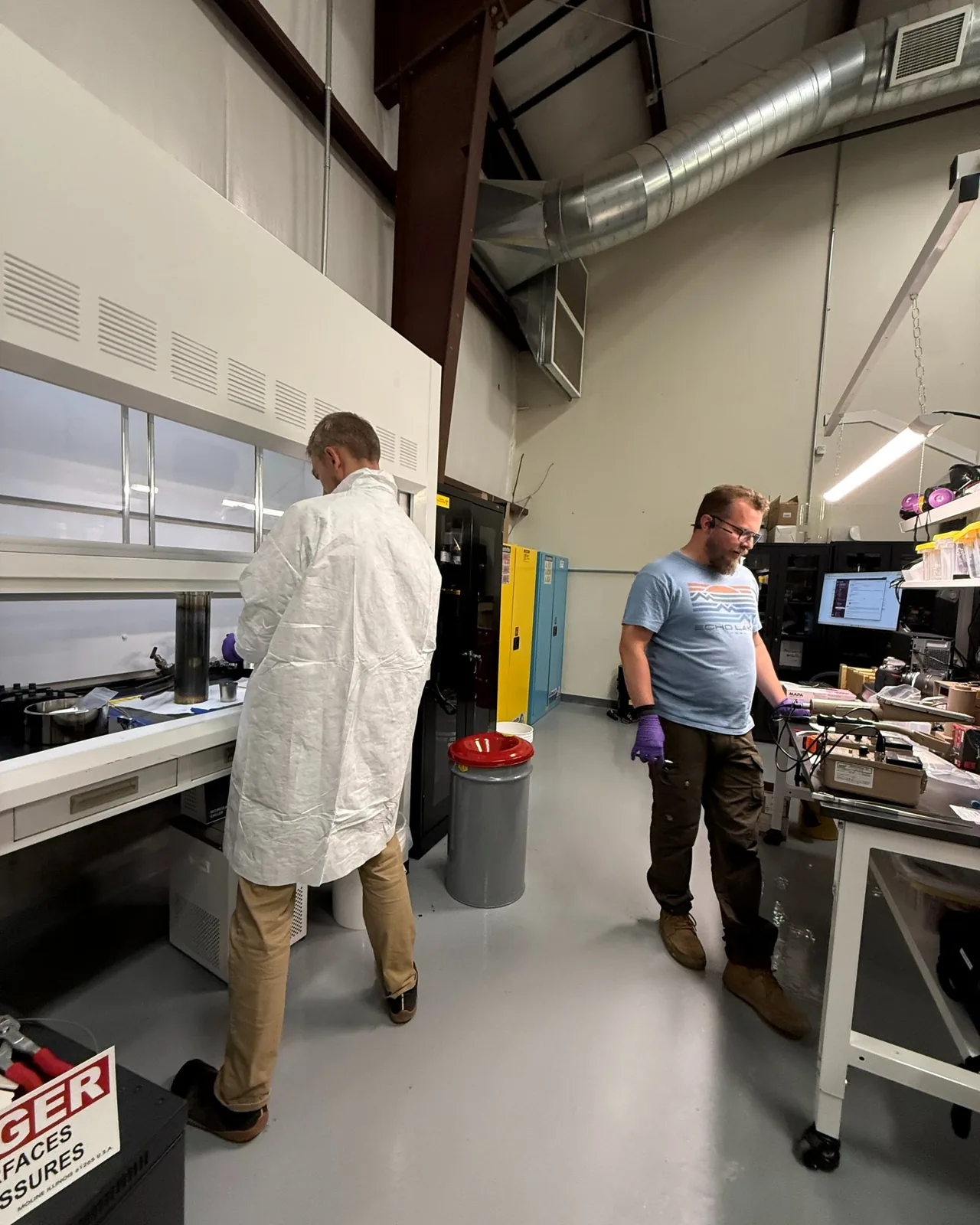
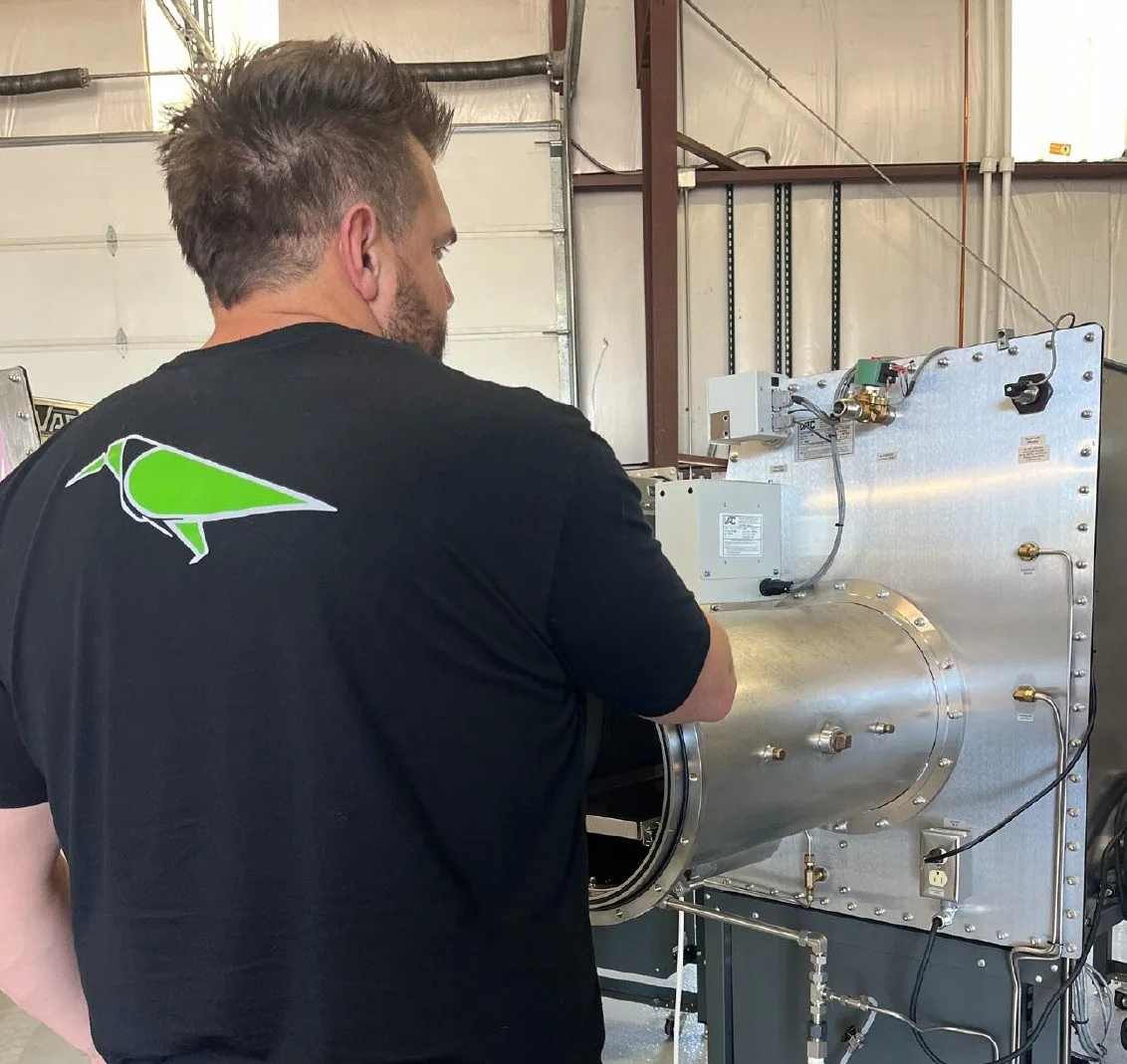
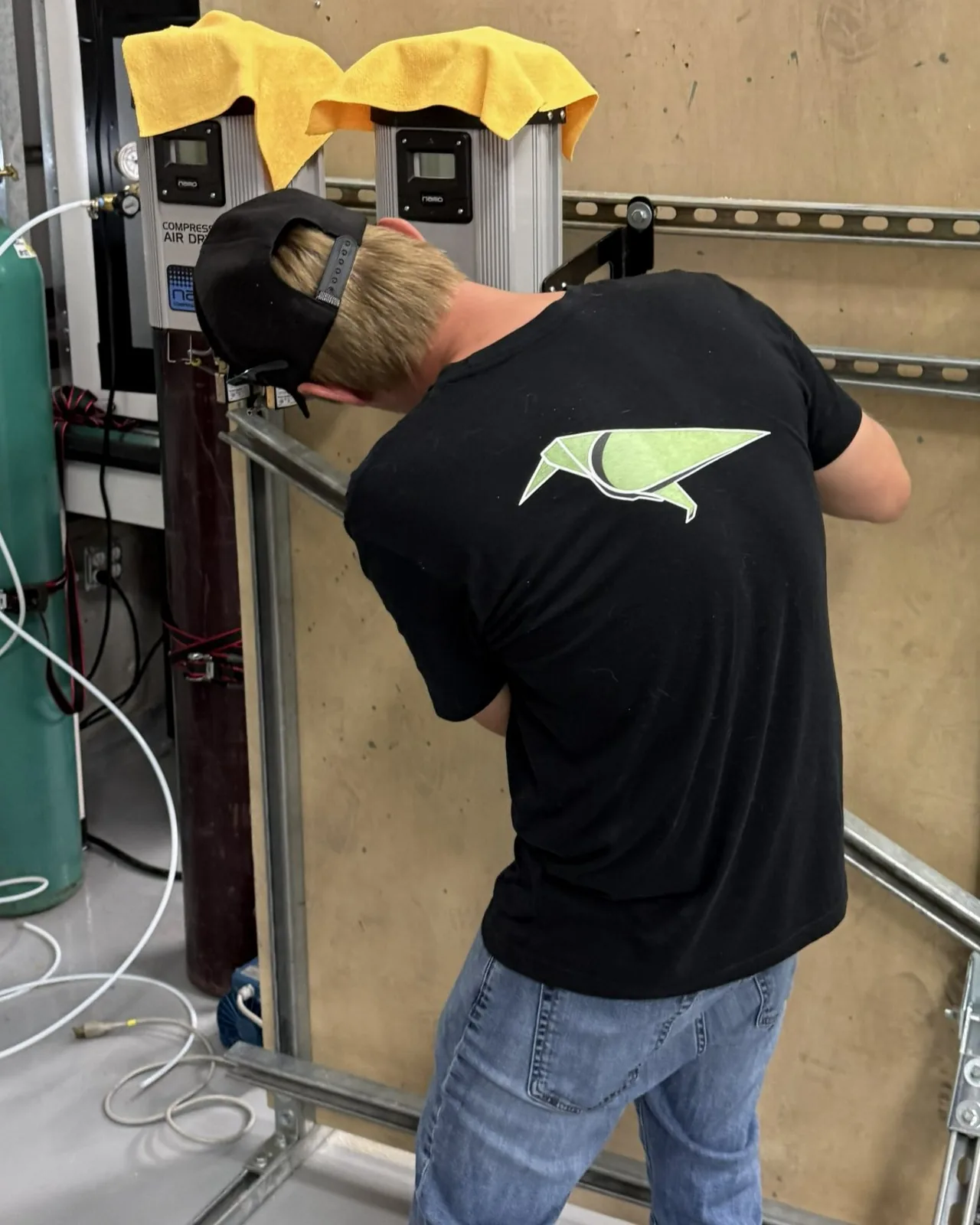
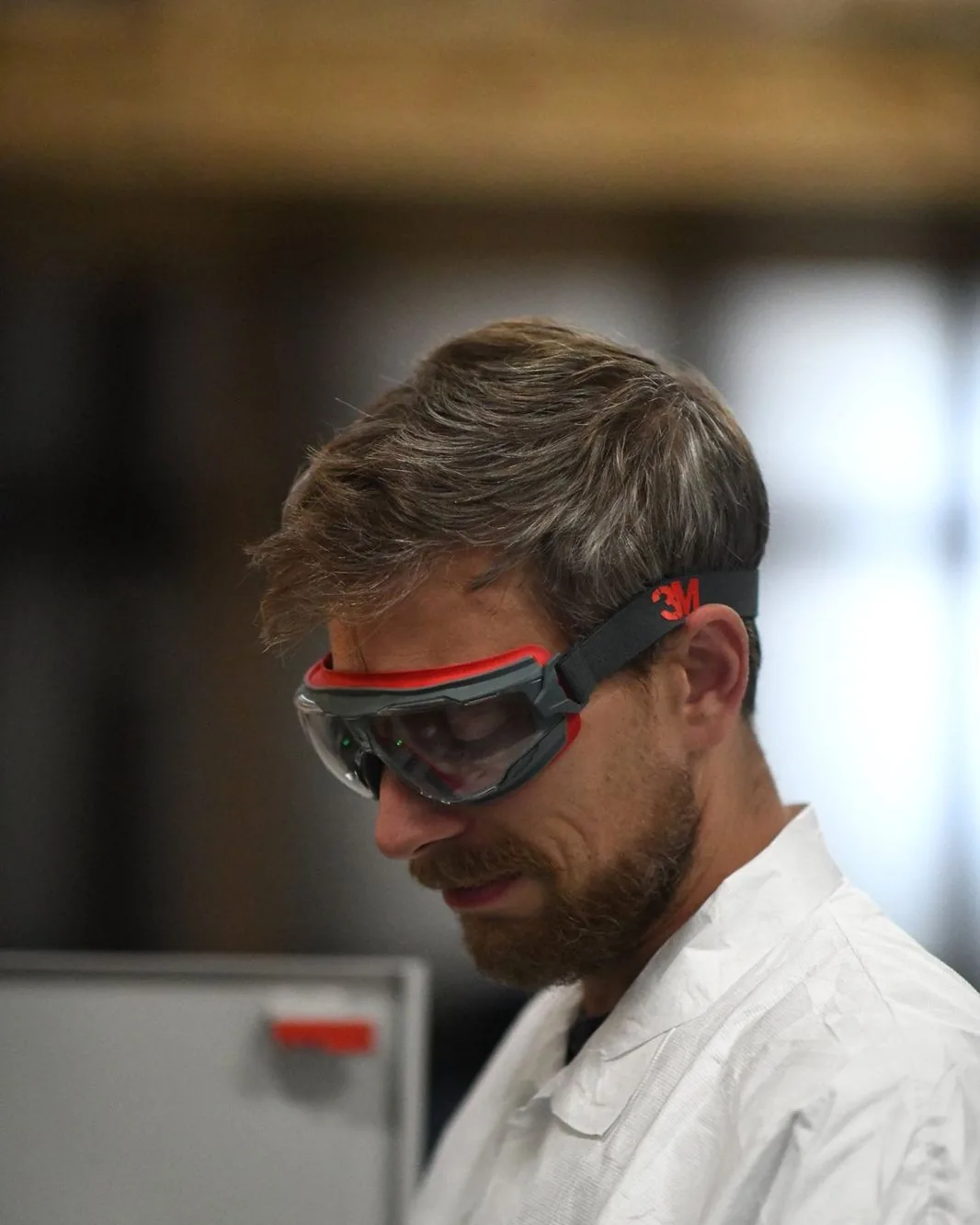
A working radiochemistry laboratory: hoods, gloveboxes, analytical instruments, and a shop that builds its own hardware.
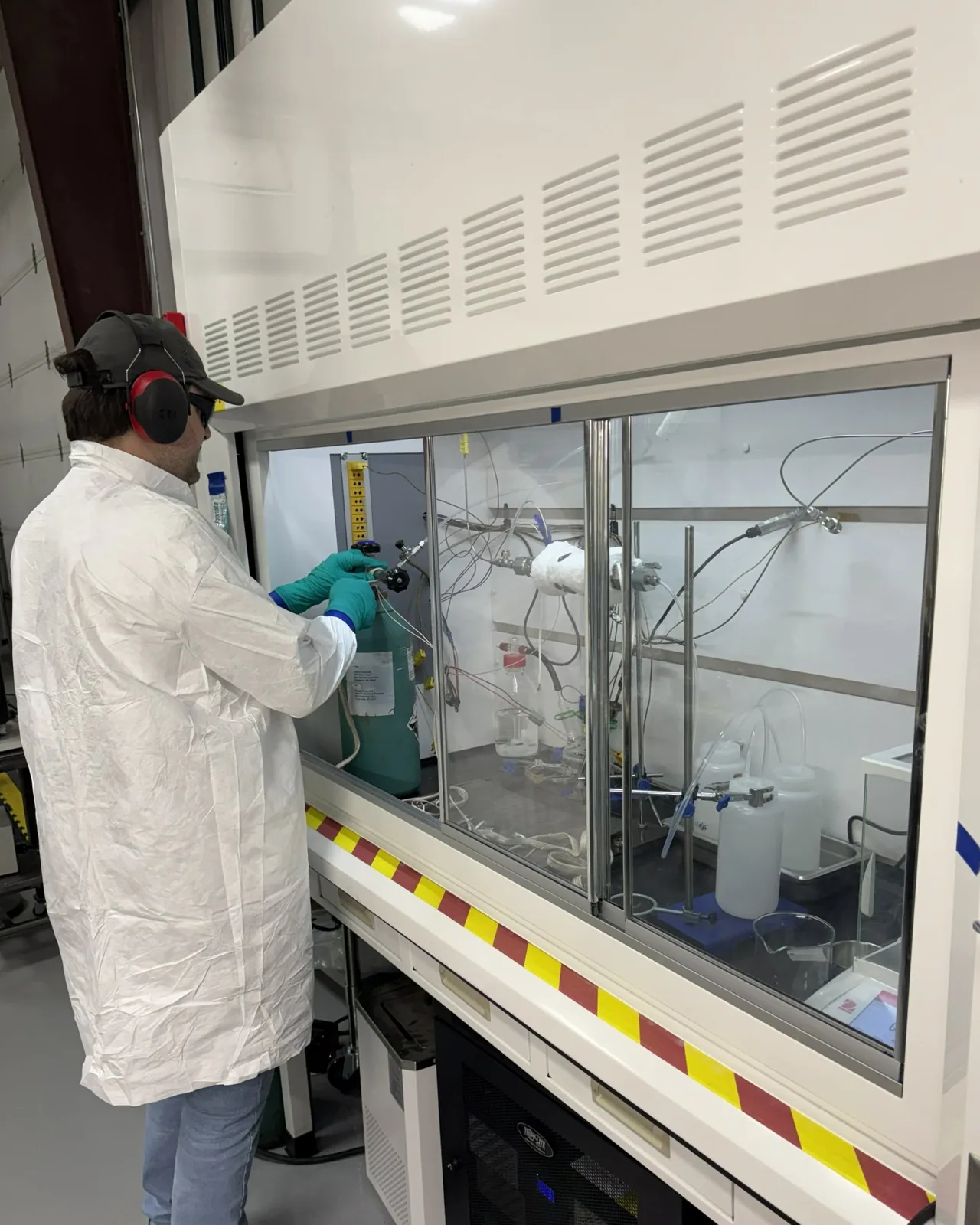
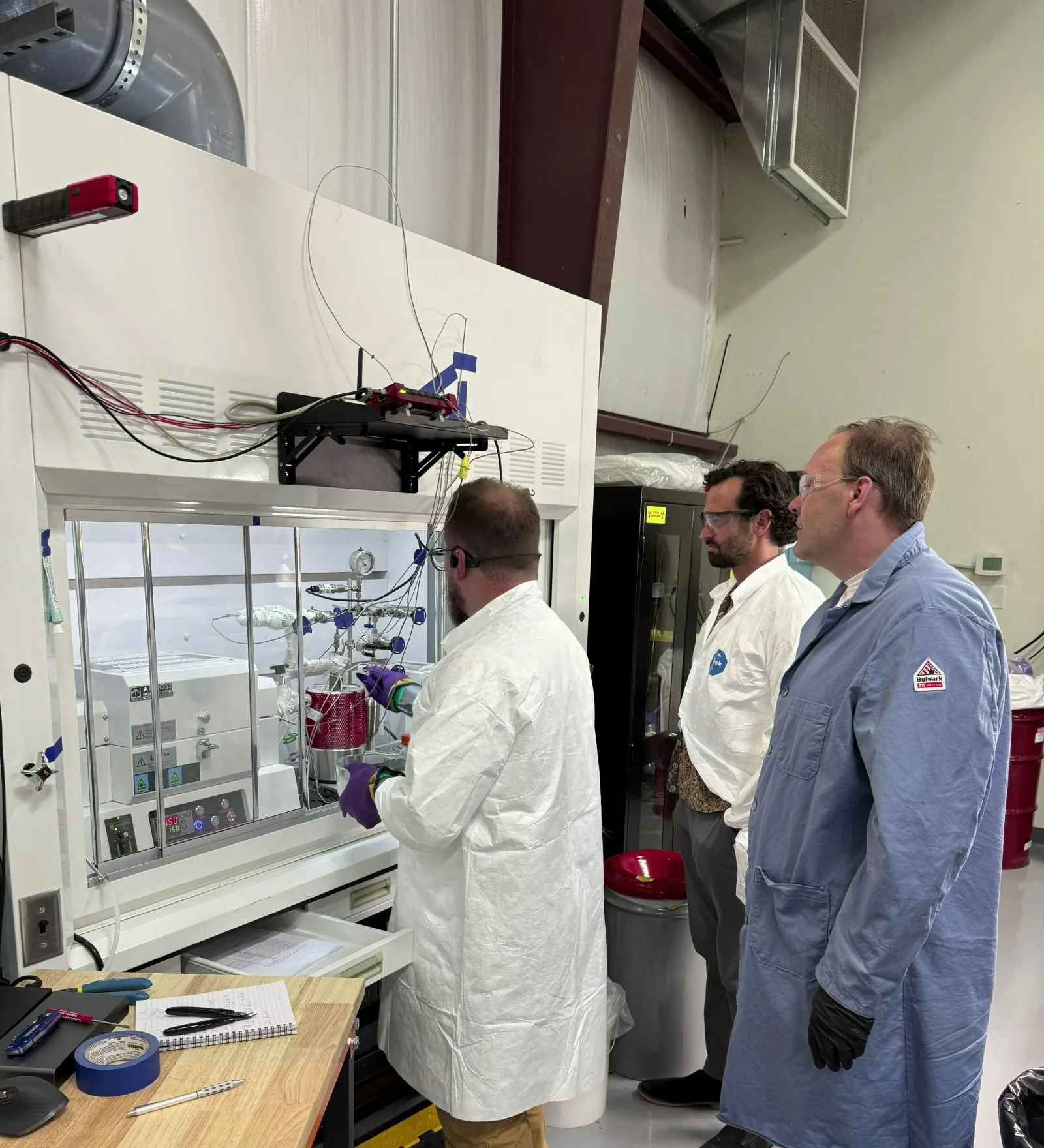
Built By
Operators and scientists who have led some of the nation's hardest nuclear programs, from Idaho National Laboratory and the National Reactor Innovation Center to the Molten Chloride Reactor Experiment.
Newsroom
Milestones, recognition, and coverage as Raven-Flint rebuilds domestic uranium conversion.
Raven-Flint is selected for the DOE Nuclear Energy Launch Pad at Idaho National Laboratory, confirms production of UF6 without elemental fluorine, and reports NRC docketing of the license application for its Idaho Falls radiochemistry laboratory.
Read the releaseThe Vault

A pre-filled email to hq@raven-flint.com has been opened in your mail client.
Please review and send from there.
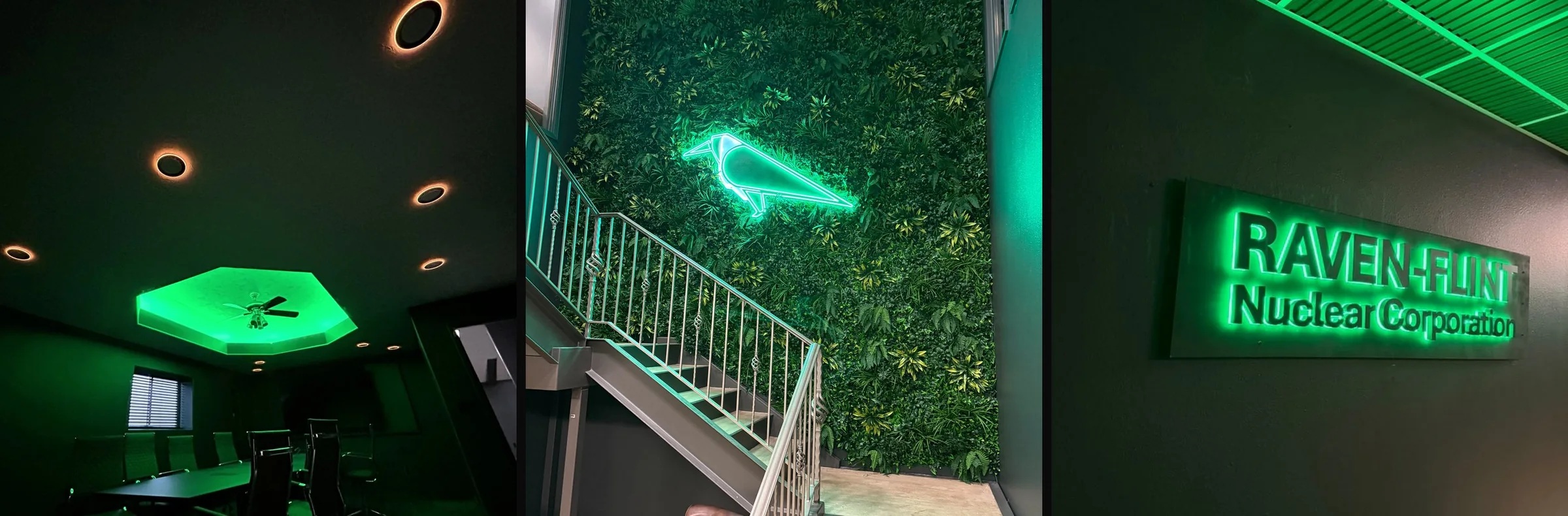
Located in Idaho Falls, our HQ houses a world-class radiochemistry laboratory — with analytical instrumentation and in-house fabrication — alongside the Match bench-scale unit now proving the conversion pathway. It is distinct and geographically separate from the planned Torch pilot plant.
Headquarters
2399 E 24th N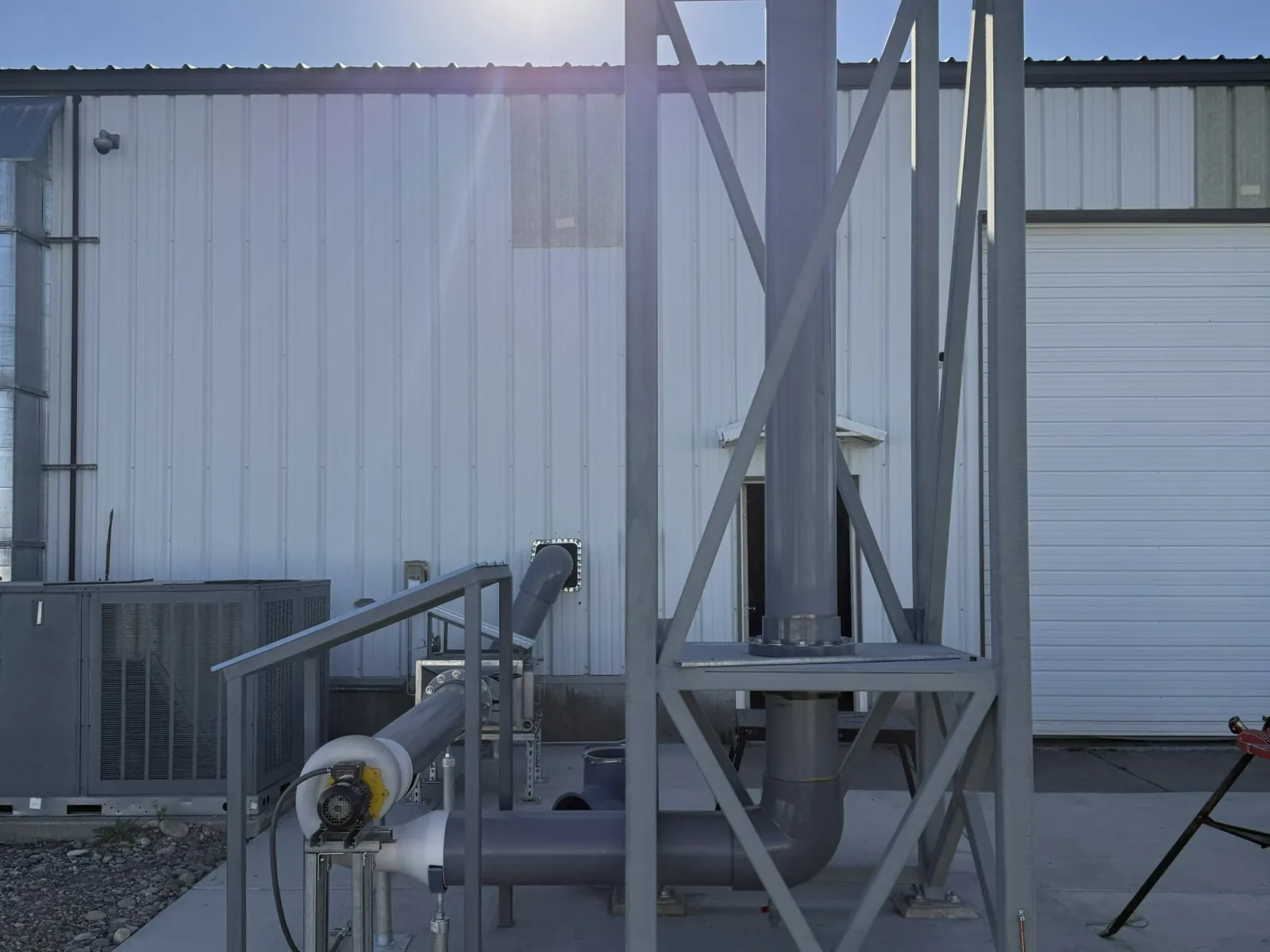
Inquiry Routing
hq@raven-flint.comPress Relations
media@raven-flint.comRaven-Flint Nuclear Corporation is a privately held entity. Access to detailed technical schematics is restricted to authorized regulatory agencies and verified institutional partners under NDA.